





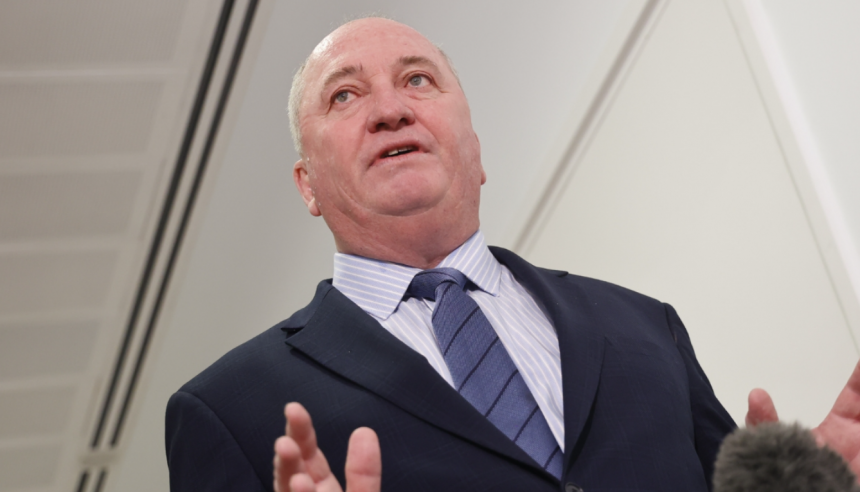

Barnaby Joyce is one of Australia’s most recognizable political figures, known for his outspoken personality, strong advocacy for rural communities, and significant influence on agricultural and regional policy. Over a political career spanning more than two decades, Joyce has served in several senior government positions, including Deputy Prime Minister of Australia, Minister for Agriculture, and leader of the National Party. His direct communication style, willingness to challenge political opponents, and commitment to regional Australia have made him one of the country’s most discussed and influential politicians.
Barnaby Thomas Gerard Joyce was born on April 17, 1967, in Tamworth, New South Wales, Australia. He grew up on a family farm near Danglemah, where agriculture and rural life shaped his early experiences. Living and working in regional Australia gave him firsthand knowledge of the challenges facing farming communities, including drought, changing commodity prices, infrastructure limitations, and the economic pressures affecting rural businesses.
Joyce attended local schools before enrolling at the University of New England, where he studied commerce and accounting. His education provided him with a solid understanding of finance, economics, and business management. After graduating, he worked as an accountant while also helping manage the family farm. This combination of financial expertise and practical agricultural experience would later become a defining feature of his political career.
Before entering politics, Joyce became active in local business and community organizations. He frequently spoke about issues affecting farmers, regional businesses, and small communities. His willingness to engage directly with local concerns helped establish his reputation as a strong advocate for rural Australia.
Joyce entered federal politics in 2005 when he was elected to the Australian Senate representing Queensland. Shortly after entering Parliament, he gained attention for occasionally voting independently from the Coalition government, particularly on issues affecting regional communities. His readiness to express his own views distinguished him from many newer parliamentarians and quickly increased his national profile.
As a senator, Joyce focused heavily on agriculture, water management, taxation, regional infrastructure, and economic policy. He regularly argued that rural communities deserved greater investment in roads, healthcare, education, telecommunications, and transport. He believed that strong regional economies were essential to Australia’s long-term prosperity and frequently emphasized the importance of supporting industries such as farming, mining, and manufacturing.
His reputation continued to grow within the National Party, Australia’s traditional political party representing rural and regional interests. Joyce became one of the party’s most visible spokespersons and frequently appeared in national media discussing economic policy, agricultural production, and regional development.
In 2013, Joyce successfully transferred from the Senate to the House of Representatives after winning the seat of New England in New South Wales. The move allowed him to pursue senior leadership positions within government. Following the Coalition’s election victory that year, he was appointed Minister for Agriculture.
As Agriculture Minister, Joyce oversaw policies affecting Australian farmers, livestock producers, exporters, and regional industries. His responsibilities included biosecurity, drought assistance, trade opportunities, water resources, food production, and agricultural innovation. During his tenure, Australia continued expanding agricultural exports to international markets while strengthening biosecurity measures designed to protect local industries from pests and diseases.
Joyce became particularly well known for his strong support of Australian farmers during periods of prolonged drought. He frequently visited affected communities, meeting directly with farmers and local businesses to better understand the challenges they faced. His advocacy contributed to government assistance packages aimed at helping rural families manage difficult economic conditions.
In 2016, Barnaby Joyce became Leader of the National Party and was appointed Deputy Prime Minister of Australia. Serving alongside Prime Minister Malcolm Turnbull, he assumed one of the country’s highest political offices. As Deputy Prime Minister, Joyce represented the interests of regional Australia within Cabinet while participating in decisions affecting national economic policy, infrastructure, energy, trade, and national security.
One of Joyce’s defining political priorities has been water management. Australia frequently experiences severe droughts, making water allocation a critical issue for agriculture and environmental sustainability. Joyce has consistently argued that water policies should balance environmental protection with the needs of farming communities, emphasizing the importance of ensuring reliable water supplies for food production.
Regional infrastructure has also remained central to Joyce’s political agenda. He has supported investment in highways, railways, airports, telecommunications, healthcare facilities, and educational institutions serving rural communities. According to Joyce, improving infrastructure is essential for creating jobs, encouraging economic growth, and reducing disparities between metropolitan and regional Australia.
Throughout his career, Joyce has been known for his direct and often colorful communication style. Unlike many politicians who rely heavily on prepared speeches, he frequently speaks spontaneously during interviews and parliamentary debates. Supporters appreciate his straightforward approach and willingness to express his opinions openly, while critics have sometimes argued that his comments generate unnecessary controversy. Regardless of perspective, his communication style has made him one of Australia’s most recognizable political figures.
Joyce has also played an important role in debates concerning Australia’s energy policy. He has consistently argued that affordable and reliable energy is vital for economic competitiveness, particularly for regional industries such as agriculture and manufacturing. His views have contributed to broader national discussions regarding energy production, electricity prices, and long-term resource management.
Like many senior politicians, Joyce’s career has included periods of significant public scrutiny. Various personal and political controversies have attracted extensive media attention over the years. These events generated considerable public debate while also highlighting the intense level of scrutiny faced by senior government officials. Despite these challenges, Joyce has remained an active participant in Australian politics and has continued representing his electorate.
After periods outside the leadership, Joyce later returned as Leader of the National Party and Deputy Prime Minister, demonstrating his continued influence within the party. His repeated return to senior leadership positions reflects the strong support he has maintained among many colleagues and regional voters.
Beyond Parliament, Joyce has become a familiar figure in Australian media through interviews, public appearances, and political commentary. His ability to communicate complex policy issues in accessible language has contributed to his popularity among many rural Australians. He often emphasizes practical solutions and real-world experience rather than theoretical policy discussions.
Agriculture continues to occupy a central place in Joyce’s political philosophy. He has frequently argued that Australia’s farming sector plays a crucial role in national food security, export income, and regional employment. Supporting innovation, improving market access, and protecting Australian producers from unfair competition have remained consistent priorities throughout his career.
Joyce has also spoken about the importance of decentralization, encouraging greater investment outside Australia’s largest cities. He believes stronger regional economies can reduce population pressure on metropolitan areas while creating new opportunities for employment and economic development across the country.
Over more than two decades in federal politics, Barnaby Joyce has become one of the most influential representatives of regional Australia. His leadership within the National Party, service as Deputy Prime Minister, and advocacy for agriculture have significantly shaped public debate on rural policy and economic development.
Today, Barnaby Joyce remains an important figure in Australian public life. His extensive experience in Parliament, commitment to rural communities, and willingness to engage in national debates continue to influence discussions surrounding agriculture, infrastructure, economic policy, and regional development. Whether addressing farmers at local community meetings or participating in major parliamentary debates, Joyce has consistently sought to represent the interests of regional Australians while contributing to the broader direction of national policy.