





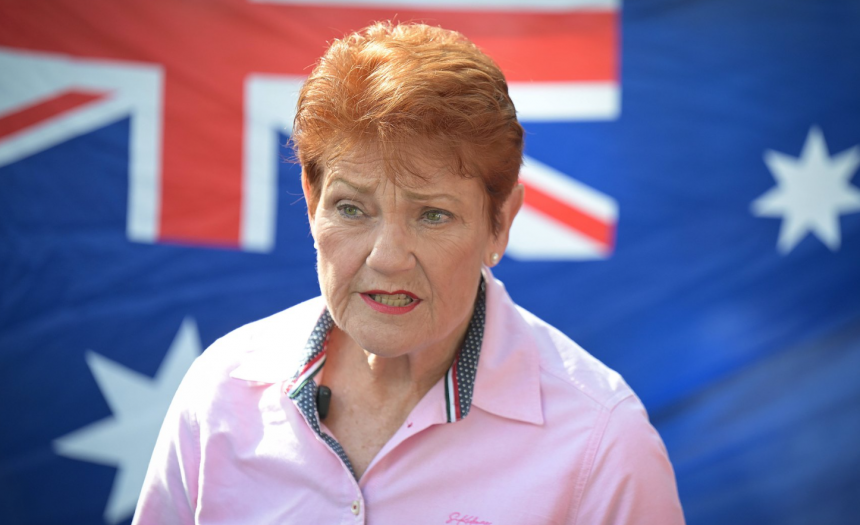

Pauline Hanson is one of Australia’s most recognizable and influential political figures. Known for her outspoken communication style and strong opinions on immigration, national identity, economic policy, and regional development, Hanson has remained a significant presence in Australian politics for more than three decades. As the founder and leader of Pauline Hanson’s One Nation party, she has played an important role in shaping political debate and influencing public discussion on a wide range of national issues.
Pauline Lee Hanson was born on May 27, 1954, in Brisbane, Queensland, Australia. She grew up in a working-class family and spent much of her childhood helping in the family business. From an early age, Hanson became familiar with the challenges faced by small business owners and ordinary working Australians. These experiences would later influence many of her political priorities, particularly her focus on economic opportunity, regional communities, and support for small businesses.
Before entering politics, Hanson worked in several occupations, including administration, retail, and business management. She and her family operated a fish and chip shop, giving her firsthand experience of running a small business. Hanson has often cited this period of her life as the foundation for her understanding of taxation, regulation, employment, and the everyday challenges faced by Australian entrepreneurs.
Her political career began at the local government level when she was elected to the Ipswich City Council in Queensland. Although her time in local government was relatively brief, it introduced her to public service and local political decision-making. Hanson quickly developed a reputation for speaking directly about community concerns and advocating for local residents.
In 1996, Hanson entered federal politics after being elected to the Australian House of Representatives as the member for Oxley. During the election campaign, she attracted national attention through her strong views on immigration, multiculturalism, economic policy, and government spending. Her direct communication style immediately distinguished her from many traditional politicians and made her one of the most widely discussed public figures in Australia.
Soon after entering Parliament, Hanson became an independent member following disagreements with the Liberal Party. Her maiden speech in Parliament received widespread national attention and generated significant public debate. Supporters praised her willingness to address issues they believed were being overlooked, while critics strongly disagreed with many of her positions. Regardless of differing opinions, Hanson quickly became one of the country’s most recognizable political personalities.
In 1997, Hanson founded Pauline Hanson’s One Nation, a political party focused on issues including national sovereignty, immigration policy, economic reform, regional development, infrastructure, manufacturing, and support for Australian industries. The party rapidly gained support in several regions, particularly among voters concerned about economic change and regional inequality.
One Nation achieved significant electoral success in Queensland during the late 1990s, winning seats in the Queensland Parliament and establishing itself as an important force in Australian politics. Although the party experienced periods of internal change over the following years, Hanson remained its central public figure and continued advocating for its policies.
Throughout her political career, Hanson has consistently emphasized the importance of supporting regional and rural Australia. She has argued that governments should invest more heavily in regional infrastructure, healthcare, education, transportation, and employment opportunities. According to Hanson, stronger regional economies are essential for Australia’s long-term prosperity and national development.
Immigration has remained one of the defining themes of Hanson’s political platform. She has argued that Australia should maintain strong border security and carefully manage immigration levels while ensuring that newcomers successfully integrate into Australian society. These positions have attracted both strong support and significant criticism, making immigration one of the most debated issues associated with her career.
Economic policy has also played a major role in Hanson’s political agenda. She has frequently advocated lower taxes for individuals and small businesses, reduced government regulation, support for Australian manufacturing, and policies encouraging domestic industry. Hanson has argued that strengthening Australian businesses helps create employment opportunities and improves long-term economic stability.
Another recurring focus of Hanson’s work has been cost-of-living issues. Throughout various parliamentary terms, she has spoken about rising household expenses, electricity prices, fuel costs, housing affordability, and financial pressures affecting Australian families. These concerns have become increasingly prominent in national political discussions over recent years.
Following several years outside Parliament, Hanson returned to federal politics in 2016 when she was elected to the Australian Senate representing Queensland. Her return demonstrated that she continued to enjoy significant support among many Australian voters. Since then, she has remained an active participant in parliamentary debates concerning economic policy, national security, healthcare, education, energy, and constitutional issues.
As a senator, Hanson has participated in numerous parliamentary committees and legislative debates. She regularly questions government ministers, proposes amendments to legislation, and advocates policies aligned with One Nation’s platform. Although her party holds relatively few seats compared to Australia’s major political parties, it has occasionally influenced parliamentary negotiations on key legislation.
Hanson’s communication style remains one of her defining characteristics. She is known for speaking directly and expressing her opinions in straightforward language. Supporters often describe her as authentic and willing to address controversial topics, while critics argue that some of her statements oversimplify complex issues. Regardless of perspective, her communication style has contributed significantly to her long-lasting public profile.
Beyond Parliament, Hanson has maintained a strong media presence through interviews, television appearances, public meetings, and social media. She frequently communicates directly with supporters, discussing current political events and explaining her policy positions. Her ability to engage audiences outside traditional political settings has helped sustain her influence over many years.
Throughout her career, Hanson has remained closely associated with debates concerning Australian national identity, constitutional reform, economic independence, regional investment, and public accountability. Whether participating in election campaigns or parliamentary discussions, she has consistently emphasized policies designed to strengthen Australia’s sovereignty and support local communities.
Like many prominent political figures, Hanson has experienced considerable public controversy throughout her career. Her political positions have generated strong reactions from both supporters and opponents. These debates have made her one of the most widely discussed politicians in Australia, reflecting the highly polarized nature of many contemporary political issues.
Despite controversy, Hanson’s political longevity is remarkable. Remaining an active national political figure for more than thirty years demonstrates her ability to adapt to changing political circumstances while maintaining a loyal support base. Few Australian politicians have remained as consistently recognizable over such an extended period.
Outside politics, Hanson has occasionally appeared in television programs and public events unrelated to Parliament, further increasing her public visibility. Nevertheless, politics has remained the central focus of her public life, with most of her activities directed toward campaigning, legislative work, and policy advocacy.
Today, Pauline Hanson continues to serve as leader of One Nation and remains an influential participant in Australian political debate. Her advocacy for regional communities, small businesses, national sovereignty, and economic reform continues to shape discussions across the country. Whether viewed as a champion of ordinary Australians or as a controversial political figure, Hanson has undeniably left a lasting mark on Australia’s political landscape and remains one of the nation’s most recognizable public figures.